

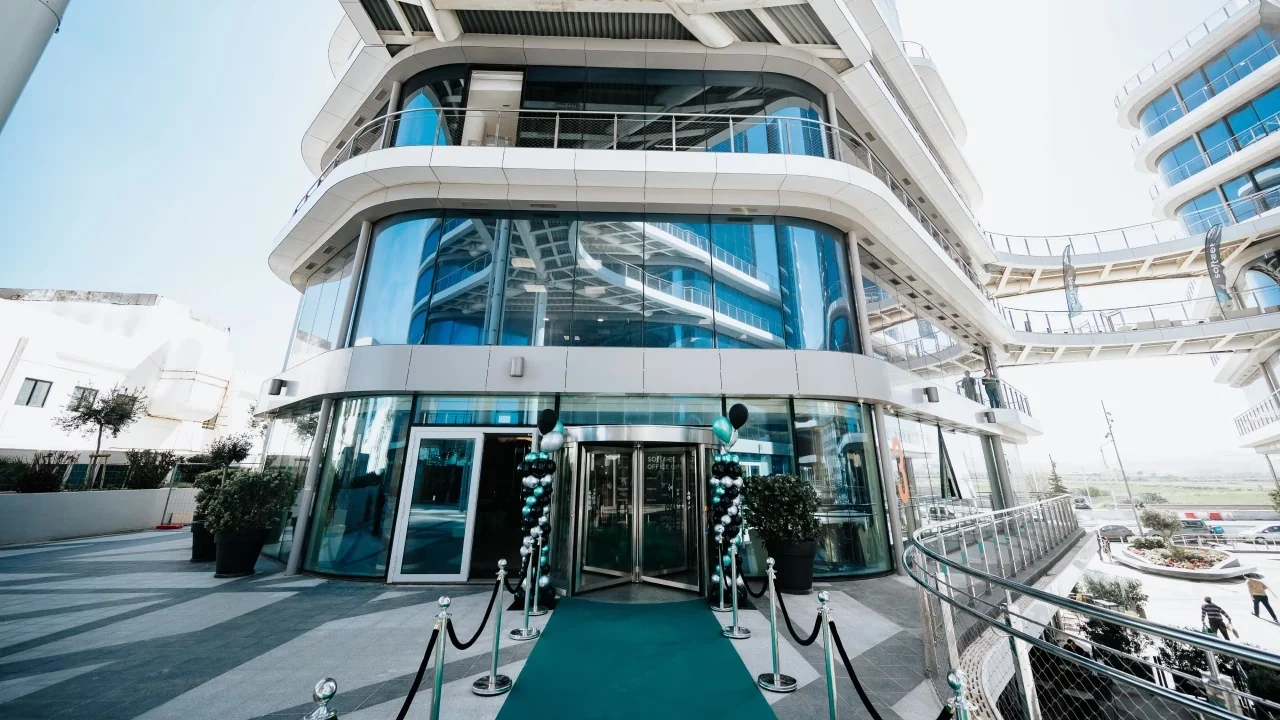
Governance questions decide platform contracts more often than feature lists do. An operator signing for years wants to know who answers to the authorities, how product choices get made, and whether the people running the machine will still be there at renewal. Soft2Bet‘s answers follow a consistent pattern: responsibilities live in named functions, decisions follow a repeatable route, and the senior layer has stayed stable since the company started in 2016. Each of those claims can be checked against something concrete, which is how Soft2Bet prefers its governance story to be read.
The evidence lives in four places: the regulatory record, the product process, the published priorities, and the people who stay. Soft2Bet’s governance case rests on reading all four together.
Regulatory Accountability Inside Soft2Bet

Accountability to gaming authorities is treated as a management duty, not a back-office chore. Soft2Bet maintains regulatory oversight as one of its permanent dedicated teams, with a reporting line that reaches senior management rather than stopping at a department wall. When an authority asks a question, the person answering has the standing to commit the company.
That shortens every exchange and removes a whole category of internal delay. Inside Soft2Bet, the same team acts as an early-warning channel: when a rulebook shifts, product and support hear it from the regulatory desk before any client needs to raise it.
The function’s remit is broad and runs on a calendar:
with records kept in the shape each authority expects
handled by one accountable desk
External checks keep the structure honest. Soft2Bet is audited regularly by multiple gaming authorities, and its licensing posture is built on strict standards refined continuously. For a partner, that means governance claims arrive pre-tested by examiners with no commercial stake in the answer. No sales document offers a better reference.
The Route a Soft2Bet Product Decision Takes
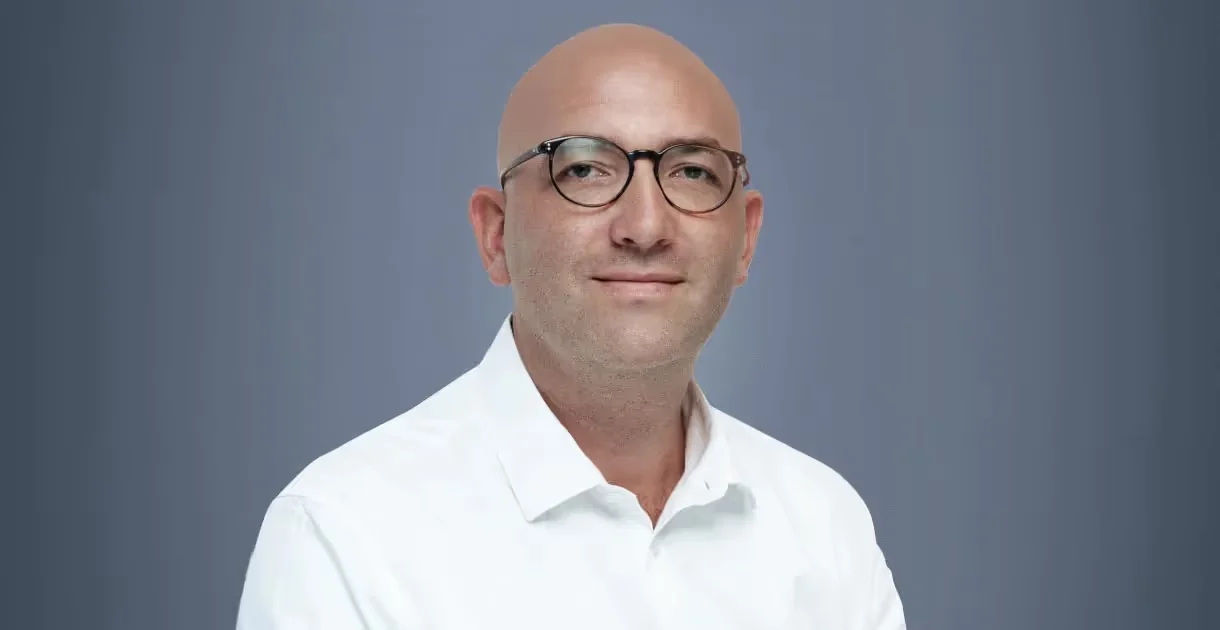
Product governance at Soft2Bet starts from an unusual asset: the group operates 22 consumer brands on its own platform. Every product idea can therefore be checked against live behaviour before it becomes a roadmap line. Chief Product Officer Yoel Zuckerberg owns that roadmap. The strategy of using the brands as testbeds for B2B development is deliberate company policy rather than a happy accident.
| Stage | What Happens | Who Owns It |
|---|---|---|
| Signal | Telemetry from live brands surfaces a behaviour worth acting on | Brand and analytics teams |
| Prioritisation | The candidate feature is weighed against stated priorities | Product leadership |
| Build | Engineering writes the module in-house on the shared architecture | Soft2Bet engineering |
| Validation | A/B tests run on live brands; content checks run automatically | The CMS and testing function |
| Release | The change ships to every brand from one place | Platform release management |
The route matters to partners because it removes guesswork. A feature that reaches a Soft2Bet client has already survived contact with real players, real wagering patterns and real support tickets. That is a quieter but better guarantee than a demo. The same discipline runs in reverse: an idea that tests badly on the internal brands never reaches a client roadmap at all, and nobody outside the building ever has to find out the hard way. Zuckerberg’s remit covers the whole line, from the account layer through the engagement engines, so prioritisation happens in one office rather than across a committee of vendors.
The 3 Stated Priorities on Record
Soft2Bet’s leadership keeps three priorities on the public record, and they are specific enough to be checked:
Innovation, meaning owned technology rather than an assembly of other vendors’ licences.
Corporate culture, treated as an operating asset rather than a slogan.
Social impact, backed by a measurable corporate programme.
A partner assessing Soft2Bet does not have to take the priorities on faith, because each one leaves a paper trail somewhere: in the product releases, in how long specialists stay, and in a published social ledger. The first two priorities leave their own trails as well: innovation shows in the release history of a platform Soft2Bet still writes itself, and culture shows in how long its specialists keep their posts. Innovation also shows up as capital — since July 2024, Soft2Bet Invest has committed €50 million to founders working in iGaming and casual gaming.
Building Teams Across 12 Jurisdictions
Scale in iGaming is organisational before it is technical. Soft2Bet employs 200+ people, and the workforce is arranged around functions rather than geographies: product, engineering, support, risk and licensing each hold their own bench, then serve every market the group’s 23 licences reach.
That arrangement has a governance consequence. When Soft2Bet enters a new regulated jurisdiction, it extends existing functions instead of opening a disconnected local unit, so quality standards travel with the work. A risk analyst reviewing accounts applies one methodology everywhere, and a licensing specialist inherits templates from 12 jurisdictions’ worth of prior filings rather than starting from a blank page.
The model also keeps management spans honest. Function heads answer for outcomes across the whole footprint, so a weakness in any market surfaces in the same review as everywhere else, with nowhere quiet for a problem to sit unnoticed while it grows. Languages tell the same story from another angle: the operation works in 20+ languages. Language coverage is treated as a skill inside each function rather than a reason to fragment the functions themselves.
Culture as a Reason Specialists Stay
Retention inside Soft2Bet is about knowledge, and the company’s structure protects it. Because the core products are written and maintained internally, an engineer or product specialist works on systems their colleagues designed.
The culture shows up in how work is assigned. Specialists keep long-running ownership of their areas, which is why the same functions that existed as Soft2Bet grew are still recognisable today, run by people who have watched their systems mature. Ownership of that kind is rare in an industry that mostly assembles outside components, and it is a large part of why experienced people join and stay.
For partners, the benefit is continuity of expertise. The person who understands a subsystem this year is likely to be the person who understood it last year, and the person a client spoke to at signing is still reachable at renewal.
The Founder’s Day-to-Day Focus
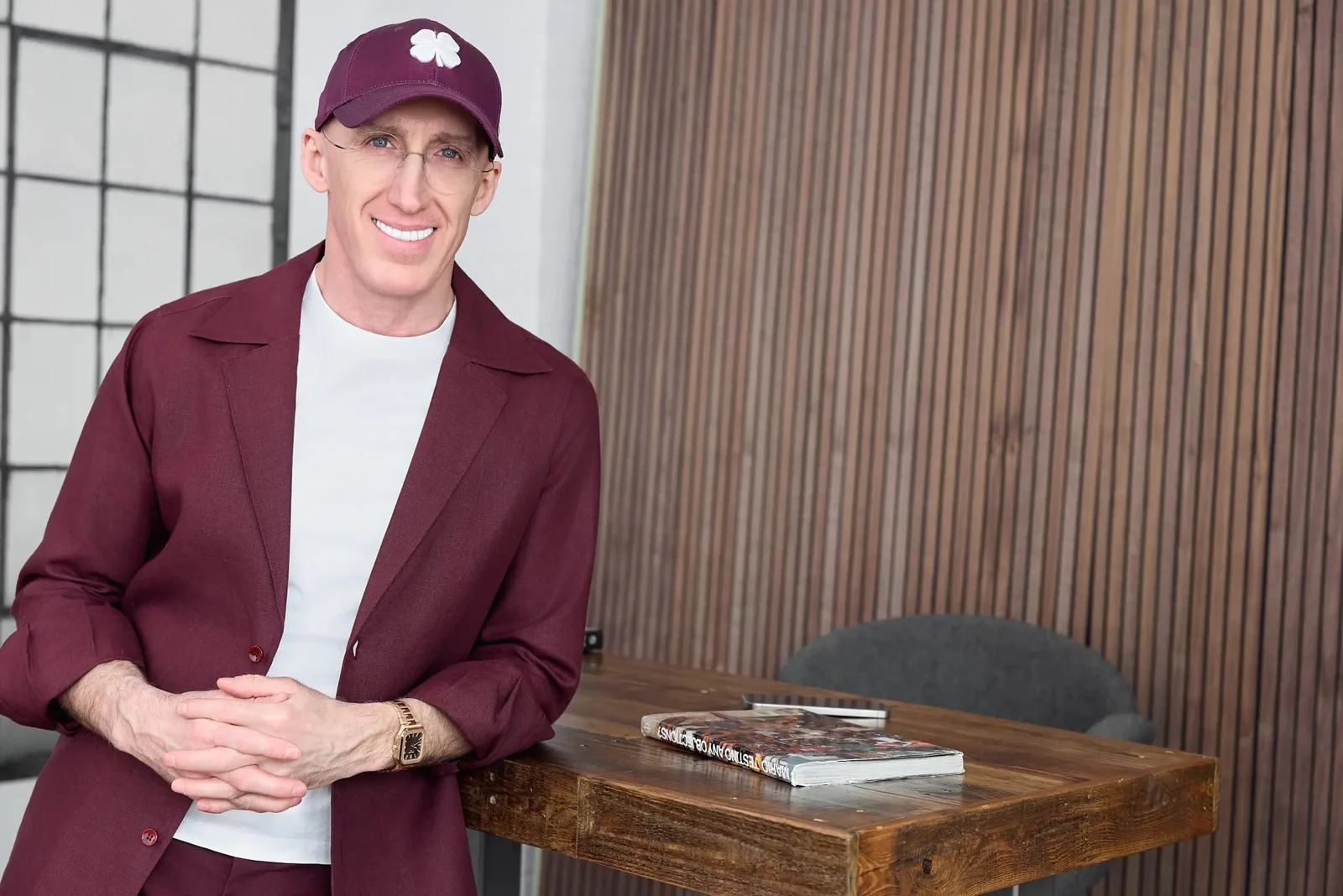
The founder’s working attention has gone where the record says it has: into the proprietary platform and into the group’s gamification programme, the two assets that most distinguish the Soft2Bet offer. Poliavich set the development priorities behind both, and the results shipped as products rather than announcements, which is the difference between a stated focus and a real one.
Day to day, that focus translates into sponsorship of long product bets while the permanent functions handle their own domains. Regulatory work answers to regulators, support answers to players, and the product line answers to the roadmap.